Why Communication Is The Key To Success And How UT EcoCAR Is Embracing It
What does UT EcoCAR bring to the table
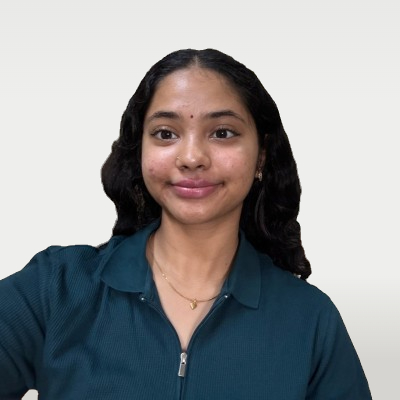
Past the engineering done in a garage, the UT EcoCAR team has found that collaboration is a crucial element in innovation. At the University of Texas at Austin, technical fluency, strategic planning and genuine leadership have been brought to the forefront by their EcoCAR Project Manager. The EcoCAR EV Challenge, a collegiate engineering competition, is bringing together students from different specialities to design and build upon the technologies provided by General Motors and other sponsors. As we interview Jason Jiang, Project Manager of the UT Austin EcoCAR team, we will discover what project management looks like for a team and learn about how different subteams are brought together through leadership and communication. Jiang’s experience shows the complexities of managing a multidisciplinary engineering project and how he’s helping foster collaboration in this setting.

Q&A with Jason Jiang
Q: What is your name, position, area of study and how did you end up as the PM of your team?
A: “Jason Jiang, Project Manager of EcoCAR. I am currently completing a Master's in Mechanical Engineering. My interest in the EV industry played a big role in my decision to attend UT Austin, and I saw EcoCAR as the perfect way to gain hands-on experience. In Fall 2024, I noticed an opening for the Project Manager position, and after shadowing the previous PM for a semester, I officially took on the role in Spring 2025.”
Q: What tools are you implementing to ensure effective communication across subteams?
A: “With many subteams of varying technical expertise, the most important skill is the ability to communicate at a level of abstraction that other teams can understand. For example, the PM team doesn’t need the exact specifications of a CAV sensor suite but does need to know its common failure modes to plan contingencies. Similarly, the PCM team doesn’t need to understand how a new subframe is integrated into the vehicle, but does need the safety factors calculated by the SDI team to properly calibrate their pedal map.
These skills are reinforced by fostering open communication. I actively encourage teams to brainstorm and provide feedback on work outside their immediate expertise, ensuring the best possible solutions are developed collaboratively.”
Q: What has been the biggest challenge in managing a multi-disciplinary team like EcoCAR and why?
A: “The biggest challenge in managing a multi-disciplinary team like EcoCAR has been alignment, both on the product and the project.
For the product, the challenge lies in aligning priorities across teams with different technical focuses, while also ensuring that contingency plans and the critical path are clearly understood and accounted for.
For the project, the difficulty comes from aligning personnel motivations across a diverse group of students with different majors, backgrounds, and demographics. Balancing these varied perspectives while keeping the team moving toward a shared goal requires constant communication and coordination.”
Q: When you have an important deliverable, what strategies do you use to keep the project on track and how do you determine what to use?
A: “When I have an important deliverable, I rely on predictive planning combined with contingency plans, making sure to clearly define both trigger dates and the conditions that would require action. I pair this with success metrics at key milestones, which allows me to track progress objectively and maintain the flexibility to adjust scope, either expanding or narrowing it, based on team capacity and project needs.
For the most critical deliverables, I take planning a step further by considering scope redundancies across teams. This helps ensure that work is efficiently distributed, prevents duplication of effort, and keeps the critical path on track. By combining clear planning, measurable metrics, and cross-team coordination, I can guide complex projects to successful completion even under tight timelines or unexpected challenges.”
Q: Can you tell when team morale is off and how do you foster collaboration to lead your team to a better position?
A: Communication is our litmus test for team morale. I pay attention to how openly team members are sharing ideas, asking questions, or raising concerns. Changes in these patterns often indicate that morale may be off.
Once I notice a dip, I foster collaboration by encouraging open dialogue and creating spaces for brainstorming, feedback, and knowledge sharing. Depending on the team or individual, this might mean facilitating cross-team discussions, pairing members for peer reviews, or celebrating small wins to build momentum and reinforce progress. The goal is always to re-establish trust, clarity, and engagement so the team can move forward together toward shared objectives.

Wrapping it up
Jiang ended his Q&A, encouraging others to try and seek a guiding quote to use as motivation while leading. For him, he looks to these words from Abraham Lincoln.
“Nearly all men can stand up in the face of adversity, but if you want to test a man’s character, give him power.”
Project management in EcoCAR is the heart of empowering the team to innovate together. Jiang’s leadership at UT Austin shows how driving success in complex engineering environments starts with a leader who is willing to see the team's goals and resolve complexities from multiple angles.
Want to learn more about how EcoCAR prepares students for industry leadership? Visit AVTC’s website or explore how your university can get involved in the next challenge.



Comments